Blendjet Injury Lawsuits
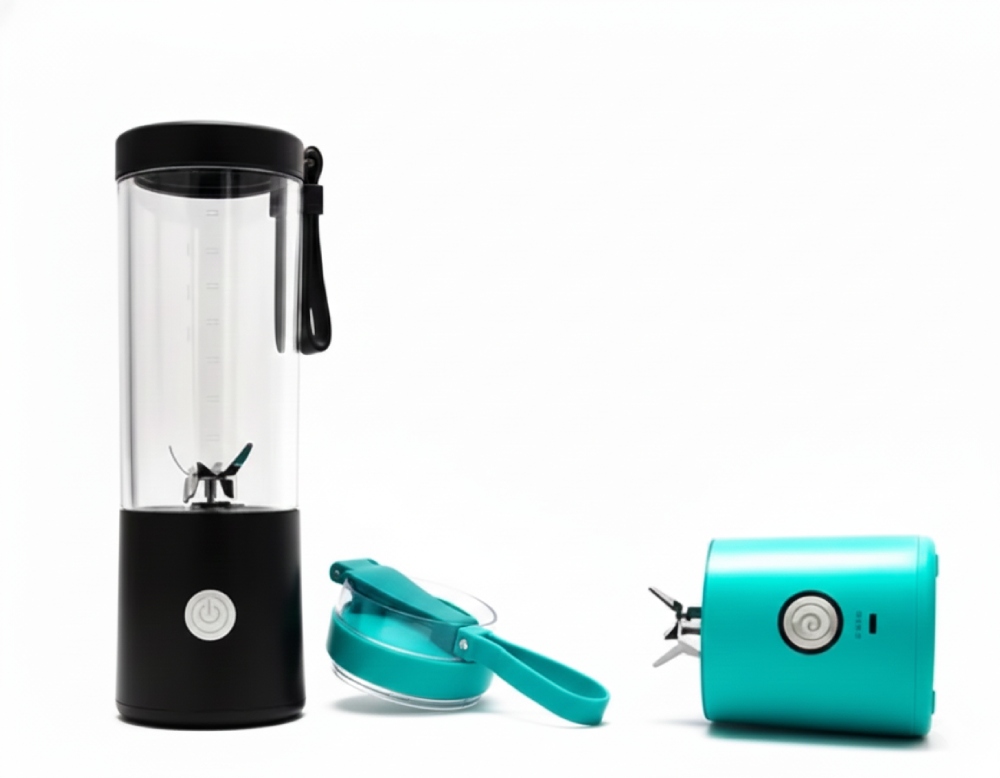
Safety Concerns Stir Around BlendJet And Ninja Blenders Due To Overheating, Blade Detachment, And Recalls.
Fill out the form on this page now for more information.
When you bought that BlendJet 2 Portable Blender, maybe you envisioned whipping up smoothies on the go, a little culinary magic at the touch of a button. However, for some users, this convenience quickly turned into a cocktail of complications. The BlendJet 2 isn’t alone; various Ninja blender models have been swept up in a mix of safety concerns, prompting a closer look at these kitchen staples.
Injuries in the mix
Reports from users flagged overheating and blade detachment problems with BlendJet blenders, resulting in injuries that ranged from mild burns to severe lacerations.
Consumer Reports added to the alarm after their tests uncovered smoke emissions and instances of blade breakage. Their findings spurred a CPSC investigation, which identified 329 cases of blade failures and 17 reports of blenders overheating or catching fire, causing approximately $150,000 in property damage. Additionally, there were 49 reports of minor burns and one serious laceration.
These discoveries triggered a major recall, impacting roughly 117,000 units sold in Canada. Available at major retailers such as Costco, Walmart, and Target, the BlendJet 2 recall isn’t a typical product issue—it affects about 4.8 million portable blenders in total.
In response to the reports and recall, BlendJet upgraded the BlendJet 2 with stronger blades and an improved electrical system. While these changes aim to reduce future risks, the timing raises concerns—these fixes came only after incidents had already occurred.
Fill out the form on this page now for more information.
Check Your Blenders
Take a look around your kitchen—if you own any of these models, it’s important to be aware of potential issues:
- BlendJet 2 Portable Blender
- Ninja 4-in-1 Kitchen System
- Ninja Blast Portable Blender
- Ninja Blender Plus
- Ninja Foodi Power Nutri Duo
- Ninja Foodi Power Blender Ultimate
- Ninja Intelli-Sense Blender Duo
- Ninja Intelli-Sense Kitchen System
- Ninja Kitchen System Plus
- Ninja Nutri-Blender Plus
- Ninja Nutri-Blender Pro with Auto-iQ
- Ninja Nutri-Blender Pro with Auto-iQ Plus
- Ninja Single Serve System Plus
- Nutri Ninja 2-in-1
- Nutri Ninja Pro
- Nutri Ninja with FreshVac Technology
Fill out the form on this page now for more information.
The Legal Recipe
If you’ve dealt with a faulty BlendJet or Ninja blender, the stakes go beyond smoothies. Here’s what the path to legal recourse might look like:
- Finding Legal Guidance: Partnering with an attorney who can expertly navigate the complex world of product liability.
- Gathering Evidence: Collecting all relevant documents and records—think of this as prepping your ingredients before cooking.
- Filing the Lawsuit: Officially placing your case before the court, putting it on the “kitchen counter” for legal review.
- Discovery: Like taste-testing along the way, both sides exchange information to fully understand the case.
- Negotiating a Settlement: Sometimes you can reach an agreement without a full trial—this is where settlement talks come in.
- Going to Trial: If talks fail, presenting your case before a judge is like serving your final dish for judgment.
If you or a loved one experienced issues with these blenders…
Fill out the form on this page for a free case evaluation.
Mass torts vs. class actions at a glance
When it comes to mass torts and class action lawsuits, we’re looking at two different legal strategies used when large groups of people are harmed by the same product, company, or event.
Mass tort cases handle situations where many people are injured, yet each person’s circumstances are unique. Imagine a storm hitting a neighborhood—every house is damaged, but not in the exact same way. In a mass tort, each homeowner files an individual claim, but because the cause is shared, the court manages the cases together to streamline the process. The important part is that each person still controls their own case, allowing compensation to reflect their specific injuries or losses.
Class action lawsuits, on the other hand, combine everyone into one unified case. It’s like the entire neighborhood joining together to file a single lawsuit against the storm, with one homeowner (the lead plaintiff) speaking on behalf of everyone else. Individual members don’t make their own decisions—the lead plaintiff and the attorneys handle those. Any settlement or judgment is then distributed to the group, usually through a standard formula or evenly applied method.
What’s best for you?
Let’s quickly sum up the main points to help you decide which legal route could work better for your situation:
- Control: More personal control in mass torts; limited control in class actions.
- Compensation: Individualized in mass torts; uniform in class actions.
- Applicability: Mass torts fit for varied individual damages; class actions for uniform damages across the group.
- Efficiency: Class actions can be quicker and use fewer resources by combining claims.
If you’re part of a group that’s been harmed and you’re weighing your legal options, think about what matters most. Do you want to steer your own case, or are you comfortable letting a representative handle decisions on behalf of everyone? Are your injuries unique enough to need individualized consideration, or do they closely match what others experienced? Your responses to these questions will help clarify whether a mass tort or a class action is the better path forward for you.
 ">
">
 ">
">
 ">
">
 ">
">
 ">
">
 ">
">
 ">
">
 ">
">
 ">
">
 ">
">
Check If You Qualify For Significant CompensationStart Your Claim Now
Determining your eligibility and securing the compensation you’re entitled to can be a complex process. A single misstep or poorly timed statement can jeopardize your claim. That’s why it’s critical to work with proven experts who understand the system and can guide you through every step – ensuring nothing is overlooked and every dollar you’re owed is pursued.
See If You Qualify for Compensation Quickly
Start Your Claim