Talcum Powder Cancer Lawsuits
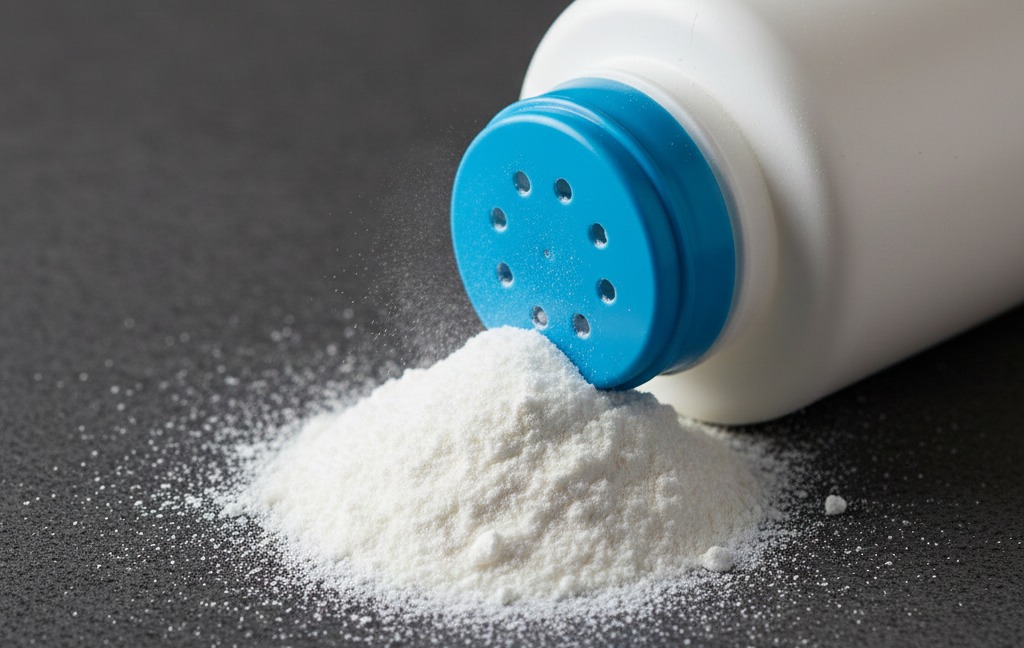
Johnson & Johnson is set to pay over $9 billion to settle lawsuits from 12,000 individuals claiming harm from talcum powder, with the compensation distributed over the next 25 years. In parallel, the company is opposing a class action lawsuit that seeks ongoing medical monitoring for people who were exposed to talc but have not yet been diagnosed with cancer. Over the years, J&J has encountered several legal hurdles, including a denied attempt at bankruptcy and hefty jury awards in talc-related cases. The company is now prioritizing settlements and gradually phasing out talc-based products.
December 2025 Updates: Johnson & Johnson Talcum Powder Class Action Lawsuits
November 4, 2025
- $20 Million Award in Florida Trial: A Broward County jury awarded $20 million to a plaintiff who developed mesothelioma, determining that asbestos in Johnson & Johnson’s talcum powder was the cause.
September 29, 2025
- New Talc Trial Kicks Off in Florida: In Broward County, a jury is hearing claims from the family of a 78-year-old doctor who died from mesothelioma after years of daily talc use. The case hinges on whether the talc was contaminated with asbestos. Plaintiffs contend J&J ignored known risks, while the defense suggests possible product tampering. Previous mesothelioma verdicts against the company have been substantial, and this trial could follow suit.
September 16, 2025
- California Bellwether Trials Set: Los Angeles will host the first ovarian cancer bellwether trial in California’s JCCP on November 3, combining claims from two longtime talc users. Judge Theresa Traber selected six cases to be tried in pairs, starting with Kent and Schultz. These state-level trials proceed while federal MDL cases face delays, potentially influencing future settlements.
September 3, 2025
- MDL Lawsuits Near 67,000: Four new talc lawsuits, including three wrongful death claims, were filed over Labor Day weekend, bringing the total multidistrict litigation (MDL) count to 66,910.
August 28, 2025
- Settlement Committee Formed: The court appointed Lead Negotiation Counsel and a two-member Plaintiffs’ Negotiation Committee to oversee talc MDL settlement talks. The first mediation session was set for September 4, with attendance required from both sides.
August 13, 2025
- Additional Defendants Approved: Judge Shipp ruled that Kenvue Inc., Janssen Pharmaceuticals, and Johnson & Johnson Holdco could be added as defendants, citing continued involvement in baby powder operations post-corporate restructuring.
August 7, 2025
- Former MDL Judge Named Special Master: Retired Judge Freda Wolfson, who previously oversaw the talc MDL for seven years, has been appointed to review scientific evidence despite her current legal work involving J&J.
August 1, 2025
- $42.6 Million Verdict in Massachusetts: A jury concluded that long-term use of J&J talc caused a man’s mesothelioma, dismissing the company’s claims of asbestos-free products.
July 14, 2025
- New Boston Talc Trial Underway: A plaintiff claims decades of J&J talc use caused mesothelioma, alleging concealed asbestos contamination. J&J denies responsibility, citing a rare genetic mutation as an alternative cause. The trial follows a recent $8 million verdict in a similar case.
July 3, 2025
- Court Orders Mediation: Fouad Kurdi was appointed mediator for the J&J talc MDL, tasked with structuring and overseeing the process. Both parties must participate in good faith, signaling the court’s interest in exploring a global settlement despite J&J’s earlier hesitancy.
July 1, 2025
- First Federal MDL Bellwether Selected: The case of Judkins v. Johnson & Johnson will serve as the first bellwether trial in the federal MDL, brought by a New Hampshire woman alleging ovarian cancer from long-term use of Johnson’s Baby Powder. The trial will examine claims that J&J knowingly marketed talc products while hiding cancer risks and asbestos contamination.
June 24, 2025
- $8 Million Verdict in Massachusetts: A Suffolk County jury awarded $8 million to a woman who developed mesothelioma after long-term talc use, citing negligence and breach of warranty by J&J.
June 17, 2025
- Philadelphia Mass Tort Program Launched: The Philadelphia Court of Common Pleas established a program to manage lawsuits claiming J&J’s talc causes ovarian cancer, scheduling two bellwether trials for early 2026.
June 2, 2025
- MDL Case Count Climbs: As of June 1, 60,792 active cases are pending in the J&J talc MDL, up 1,221 from the previous month following the collapse of a bankruptcy-based settlement plan.
May 29, 2025
- Talc Litigation Status Update: The proposed $8.9 billion settlement is no longer active. Over 50,000 lawsuits remain, with new filings continuing. Trials are set to resume, increasing pressure on J&J to negotiate settlements.
May 27, 2025
- Post-Bankruptcy Challenges for Attorneys: J&J’s dismissed $9 billion bankruptcy plan means law firms must now file roughly 30,000 individual lawsuits, incurring filing fees and labor without guaranteed returns. The primary goal remains securing maximum compensation for victims.
May 1, 2025
- MDL Growth Continues: The talc MDL added 643 new cases since last month, a 1.1% increase, bringing the total to 58,643 claims.
April 11, 2025
- Talc Cases Resume After Bankruptcy Collapse: Federal talc litigation moves forward following J&J’s third failed bankruptcy attempt. Over 90,000 lawsuits alleging asbestos-linked ovarian cancer are now expected to progress toward bellwether trials.
April 1, 2025
- MDL Growth Slows: Only two new cases were added, bringing the total to 58,208, but the MDL remains the largest consolidated mass tort in the U.S.
March 31, 2025
- Bankruptcy Strategy Rejected: A Texas federal judge dismissed J&J’s third attempt to use bankruptcy to address talc lawsuits, citing abuse of the system via the “Texas Two-Step” strategy. Litigation is expected to intensify.
March 5, 2025
- MDL Inactivity Continues: No new cases were added in February, keeping pending cases at 58,206 as attention shifts to an upcoming bankruptcy hearing.
February 19, 2025
- Talc Bankruptcy Trial Begins in Texas: A trial is underway challenging the legitimacy of J&J’s third bankruptcy attempt, scrutinizing alleged bad faith and voting irregularities in a $10 billion settlement plan.
February 6, 2025
- MDL Activity Slow as Bankruptcy Looms: Only one new case was added in January, bringing the total to 58,206, with courts focused on reviewing the proposed bankruptcy plan.
January 28, 2025
- Opposition to Bankruptcy Plan: Some plaintiffs contest J&J’s $8 billion bankruptcy proposal, arguing it limits recoveries and lacks transparency. A trial will determine its validity.
January 8, 2025
- Pittsburgh Trial Brings Mixed Verdict: While a defense verdict was rendered, the jury awarded $22 million in punitive damages, signaling disapproval of J&J’s actions.
January 3, 2025
- Minimal MDL Growth: Only four new lawsuits were filed in December, totaling 58,205 pending cases.
January 2, 2025
- High-Stakes Bankruptcy Hearing Scheduled: On February 18, courts will assess the controversial “Texas Two-Step” strategy and the $10 billion settlement plan’s feasibility.
December 3, 2024
- Talc Lawsuits on Hold: Federal judge pauses cases until mid-March 2025, allowing J&J to pursue bankruptcy strategy.
December 2, 2024
- MDL Growth Slows: Only three new lawsuits added in November, reflecting a focus on resolving existing claims.
November 19, 2024
- DOJ Objects to J&J Counsel Selection: The U.S. Trustee raises conflict of interest concerns over Jones Day’s role in the Red River Talc LLC bankruptcy case.
November 1, 2024
- MDL Continues Growing: October saw 146 new cases, bringing the total to 58,198.
October 29, 2024
- Bankruptcy Hearing Set for January: A federal judge will review J&J’s plan to resolve talc lawsuits via bankruptcy.
October 15, 2024
- $15 Million Mesothelioma Verdict in Connecticut: A jury finds J&J liable for mesothelioma allegedly caused by asbestos-contaminated talc, including punitive damages.
October 11, 2024
- MDL Adds 115 Cases: Growth continues in September, totaling 58,052 pending lawsuits.
October 9, 2024
- Bankruptcy Ruling Favorable to J&J: Texas judge permits J&J’s strategy using Red River Talc subsidiary to manage talc claims.
September 30, 2024
- Accusations of Venue Shopping: The U.S. Trustee claims J&J is manipulating bankruptcy filings to gain a favorable jurisdiction.
September 25, 2024
- Temporary Pause on Talc Lawsuits: Texas judge suspends some cases to assess proper venue for Red River Talc.
September 23, 2024
- $8 Billion Settlement Proposed: J&J offers a pre-packaged settlement, claiming majority plaintiff support.
September 23, 2024
- Third Bankruptcy Filing: Red River Talc LLC files Chapter 11 bankruptcy to manage talc claims.
September 20, 2024
- Settlement Amount Adjusted: Reports indicate the proposed settlement may drop from $9.1 billion to $8.2 billion.
September 19, 2024
- Bellwether Trial Consolidation Denied: MDL judge rejects consolidation request; the first trial proceeds with a single plaintiff.
September 16, 2024
- $260 Million Verdict Overturned in Oregon: A state judge grants a new trial in a mesothelioma case due to legal errors.
September 12, 2024
- New Mesothelioma Lawsuit in Connecticut: Plaintiff alleges lifelong talc exposure caused cancer.
September 9, 2024
- J&J Considers Boosting Settlement: Reports suggest a potential increase of $1.1 billion, totaling over $9 billion.
September 3, 2024
- Talc Lawsuit Filings Rise: Total claims reach 57,937, a 155-case increase from the prior month.
August 22, 2024
- J&J Challenges Talc Medical Monitoring Lawsuit: Johnson & Johnson has requested the court to dismiss a nationwide class action that seeks medical monitoring for people exposed to its talc products. The lawsuit aims to cover costs for ongoing health check-ups for individuals who may not yet have developed related illnesses, such as ovarian or gynecological cancers. J&J argues that the claims and the class action itself lack legal validity.
August 19, 2024
- Settlement Plan Support Surpasses 75%: J&J reportedly gains sufficient claimant support for a $6.5 billion talc settlement.
August 16, 2024
- $63 Million Award in South Carolina: Jury awards damages in two talc cases, including punitive awards.
August 12, 2024
- Claimants Approve Settlement Plan: Early results indicate majority support for the latest talc settlement.
July 25, 2024
- Bankruptcy Rejected Again: Appeals court denies second attempt via shell company, ruling subsidiary not in distress.
July 25, 2024
- Settlement Voting Deadline Approaches: Claimants to vote on $6.475 billion ovarian cancer settlement.
July 12, 2024
- J&J Moves to Dismiss Fraud Challenge: Company challenges lawsuit alleging misuse of bankruptcy for liability avoidance.
July 9, 2024
- WHO Links Talc to Ovarian Cancer Risk: WHO confirms probable increased cancer risk from talc in genital area.
July 1, 2024
- Court Dismisses J&J Case Against Researcher: A federal judge has thrown out a lawsuit filed by Johnson & Johnson against a scientist who published findings connecting talcum powder to cancer. The court determined that the research was neither fraudulent nor defamatory and is safeguarded under free speech protections.
July 1, 2024
- 57,624 Pending Talc Claims: J&J faces extensive class action claims as of July 2024.
June 28, 2024
- Court Rejects Cancer Victims’ Challenge to J&J Bankruptcy: A federal judge has dismissed a lawsuit brought by cancer victims who alleged that Johnson & Johnson (J&J) used bankruptcy to evade responsibility for talc-based baby powder contaminated with asbestos. The court ruled that the claimed harm was “strictly hypothetical” and that it lacked jurisdiction over a dispute involving “events that have not, and may never, occur.”
June 18, 2024
- Class Action Seeks Medical Monitoring for Women Exposed to Talc: A new class action lawsuit has been initiated against Johnson & Johnson, pursuing compensation for individuals allegedly harmed by its talc-based baby powder. In addition, the suit requests ongoing medical monitoring for long-term users who have not yet received a cancer diagnosis. The plaintiffs claim that J&J was aware of the potential risks as far back as the 1970s, yet continued to manufacture and sell the product, which they assert was “defective, hazardous to health, unfit for use, improperly marketed in the United States, and lacking adequate warnings about potential dangers.”
June 10, 2024
- $700 Million State Settlement: J&J resolves claims with 43 states and D.C., ending talc marketing.
June 6, 2024
- MDL Cases Increase: Talc MDL reaches 57,365 pending claims.
June 4, 2024
- $260 Million Jury Award in Oregon: Woman receives damages for mesothelioma allegedly caused by talc.
May 30, 2024
- Bankruptcy Scheme Accusations: Class action alleges J&J manipulated bankruptcy to avoid talc lawsuits.
May 1, 2024
- $6.5 Billion Global Settlement Proposed: J&J aims to resolve most talc ovarian cancer claims via third subsidiary bankruptcy.
2024 Overview:
April 2024:
- A Chicago jury awarded $45 million to the family of a woman who passed away from mesothelioma, allegedly caused by asbestos-contaminated talc, holding J&J and its spinoff Kenvue responsible.
- In Florida, a jury sided with Johnson & Johnson, determining that its baby powder did not cause a woman’s ovarian cancer.
- A New Jersey judge ruled that Johnson & Johnson is allowed to challenge the scientific evidence connecting talcum powder to cancer in more than 53,000 pending lawsuits. This ruling could have major implications for the litigation, as J&J seeks to undermine what it considers “junk science” supporting plaintiffs’ claims. The company has until July 23 to submit updated arguments regarding the scientific evidence, after which Judge Shipp will decide whether the expert testimony can be used in the ongoing cases.
January 2024:
Investors in Johnson & Johnson filed a class action lawsuit, claiming the company provided misleading information regarding the safety of its talc-based products.
Click Here for a FREE Claim Review from a Talcum Powder Lawyer
Why Talcum Powder Is in the Spotlight Right Now
Talcum powder—the small bottle tucked among your bathroom essentials, right next to soaps and lotions—has recently been drawing attention for concerning reasons.
Talcum powder is made from talc, a mineral that, in the earth, sometimes exists alongside asbestos. During mining, talc can become contaminated with asbestos, an element known for its industrial uses but also for serious health risks when inhaled. Exposure to asbestos has been linked to diseases like mesothelioma and lung cancer, which is why talc-based products are now under intense scrutiny.
The Science: Talc, Asbestos, and Potential Health Risks
Studies on talc and its health effects have produced mixed results, but here’s what’s known: tiny talc particles have been found in some human tumors. Additionally, medical research has suggested that regular use of talcum powder in the genital area may be linked to an increased risk of ovarian cancer. These findings have sparked numerous lawsuits, with plaintiffs accusing major companies of failing to adequately warn consumers about potential dangers.
According to the American Cancer Society, talcum powder is primarily composed of magnesium, silicon, and oxygen. The International Agency for Research on Cancer (IARC), part of the World Health Organization, has classified asbestos as a known carcinogen—which includes talc that may be contaminated with asbestos.
The National Cancer Institute (cancer.gov) has also noted a potential connection between talc use and ovarian cancer, raising concerns about asbestos contamination in some talc products. Exposure to asbestos, whether inhaled or applied to the skin, can pose serious health risks.
To address these dangers, the FDA began requiring asbestos testing for talcum powder in 1973, ensuring that products on the market are asbestos-free.
Johnson & Johnson: Under Scrutiny
Johnson & Johnson, a household name, has come under intense scrutiny after traces of asbestos were found in its baby powder, prompting a product recall. While the company maintains that its products are safe, it has shifted to cornstarch-based formulas in North America as a precautionary measure.
The New Brunswick-based company removed talc powders from U.S. and Canadian shelves in 2020, citing declining sales and a move toward cornstarch alternatives. J&J has pledged to phase out talc-based powders worldwide by the end of the year.
Even as investigations and lawsuits allege that the company was aware of asbestos risks, J&J continues to defend the safety of its products. The company currently faces more than 51,300 lawsuits and has set aside approximately $8.9 billion to resolve these claims.
What This Means for You
If you’ve used talcum powder, it’s understandable to feel concerned. The key takeaway: if you suspect your health issues could be linked to talc use, you are not alone, and legal options may be available.
As of April 2023, Johnson & Johnson has established a trust fund totaling over $12 billion to compensate individuals affected by cancers allegedly tied to their talcum powder products. If you or a loved one has been diagnosed with conditions such as ovarian cancer and have a history of using J&J’s talc products, you may be eligible for financial compensation.
Click Here for a FREE Claim Review from a Talcum Powder Lawyer
Talcum powder may feel like a trusted household staple, but staying informed about what you’re using is crucial. With ongoing legal battles and scrutiny, companies may soon have to be more transparent about the ingredients in their products.
Mass Torts vs. Class Actions: A Quick Comparison
When we’re talking about mass tort and class action lawsuits, we’re discussing two distinct legal approaches used to handle claims where many individuals are harmed by the same entity or event.
Mass Tort Lawsuits: Mass torts handle situations where numerous people have been harmed, but each individual’s circumstances are unique. Imagine a neighborhood hit by a storm—every home suffers different types of damage. In a mass tort, each affected person files their own lawsuit, but because the harm shares a common cause, the court consolidates the cases for efficiency. Importantly, each plaintiff keeps control over their case and settlement, reflecting their specific losses and experiences.
Class Action Lawsuits and Settlements Unlike mass torts, class action lawsuits bring many individuals together under a single legal case. Imagine the whole neighborhood suing after a storm, with one or a few residents representing everyone’s interests. Class action settlements work similarly—any compensation awarded is typically distributed according to a set formula or evenly among members. Individual control is limited, as the lead plaintiff and their legal team make decisions on behalf of the entire group.
Which Option Might Be Right for You?
Here’s a quick breakdown to help you weigh your choices:
- Control: Mass torts allow more personal control over your case, while class actions limit individual decision-making.
- Compensation: In mass torts, settlements are tailored to each person’s situation; in class actions, payouts are generally uniform or formula-based.
- Suitability: Mass torts work best when damages vary widely among individuals; class actions are ideal when claims and damages are similar across the group.
- Efficiency: Class actions often move faster and require fewer resources, since multiple claims are handled together.
If you’ve been affected and are considering legal action, ask yourself a few key questions: Do you want to retain control over your case, or are you comfortable with a representative making decisions on your behalf? Are your damages unique and in need of individual consideration, or are they similar enough to others to be handled collectively? Your answers can help guide whether a mass tort or a class action is the most suitable path for you.
 ">
">
 ">
">
 ">
">
 ">
">
 ">
">
 ">
">
 ">
">
 ">
">
 ">
">
 ">
">
Check If You Qualify For Significant CompensationStart Your Claim Now
Determining your eligibility and securing the compensation you’re entitled to can be a complex process. A single misstep or poorly timed statement can jeopardize your claim. That’s why it’s critical to work with proven experts who understand the system and can guide you through every step – ensuring nothing is overlooked and every dollar you’re owed is pursued.
See If You Qualify for Compensation Quickly
Start Your Claim